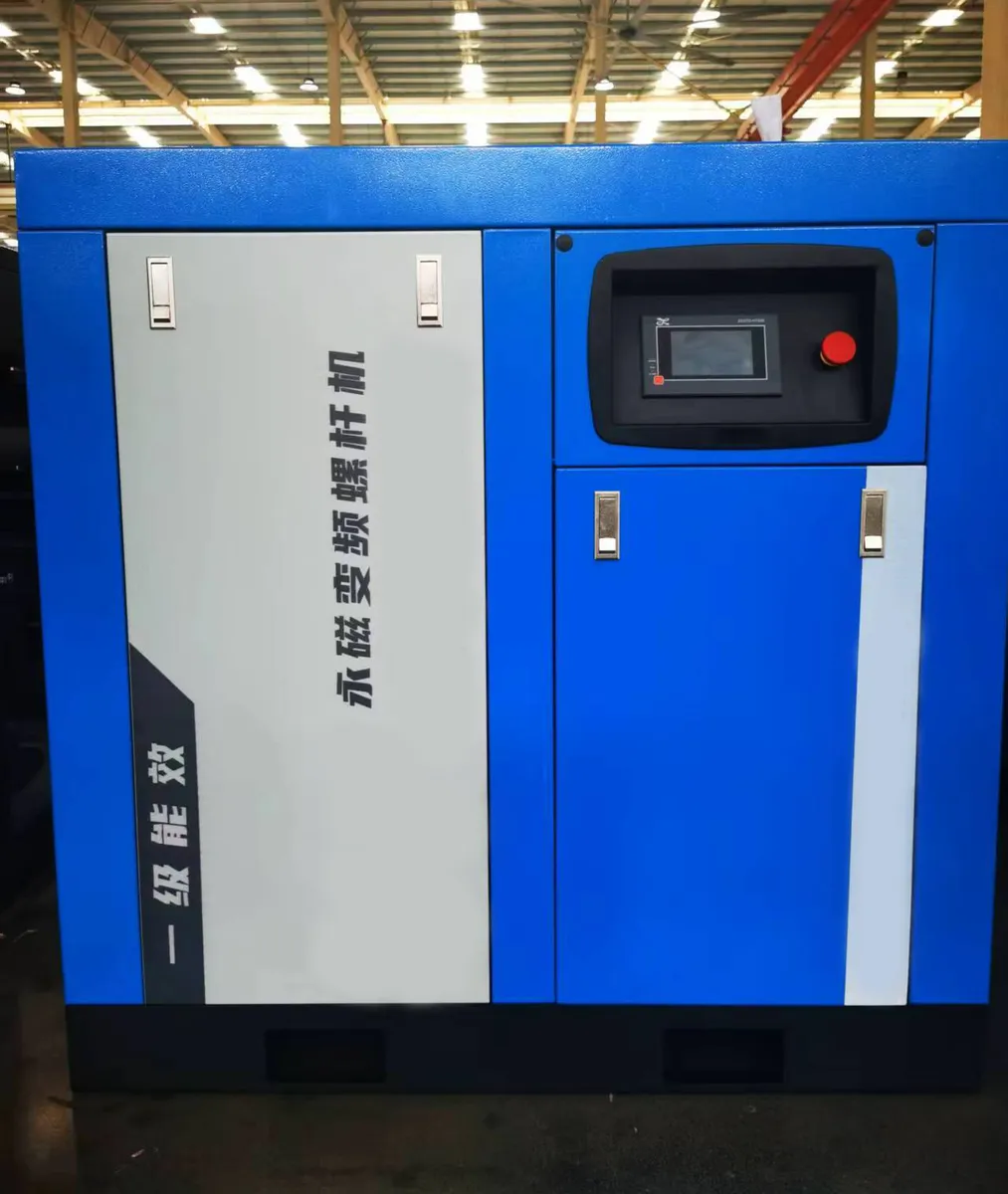
Задача
Центрифуга — ключевое оборудование разделения «жидкость-твёрдое», «жидкость-жидкость» и классификации твёрдых фаз (кристаллизация в химии, обезвоживание крахмала, обезвоживание осадка сточных вод, обогащение руд). В традиционном режиме фиксированной частоты применяются «пускатели + шкивное регулирование», что ведёт к перерасходу энергии, низкой точности регулирования и сильным ударам при пуске/останове. Векторное управление преобразователя адаптируется к нагрузке на всех этапах цикла центрифуги — пуск, разгон, стабильное разделение, торможение и выгрузка — и обеспечивает интеллектуальное управление всем процессом.
Решение
With the goals of "adapting to load characteristics, ensuring separation efficiency, and reducing comprehensive costs", the design is carried out from four aspects: working condition analysis, hardware selection, system architecture, and control logic. The full operation cycle of a centrifuge is divided into 4 core stages, and the load and speed regulation requirements vary significantly in each stage, so it is necessary to design targeted inverter control strategies.
Start-up stage: Static resistance is high, and the demand for starting torque is high (requiring 1.2-1.5 times the rated torque).
Acceleration stage: The load gradually stabilizes as the speed increases, and it is necessary to quickly reach the target separation speed.
Stable separation stage: It is a constant torque load, and precise maintenance of speed stability is required (deviation ≤ ±1%).
Deceleration and discharge stage: The inertial load is large, and rapid yet smooth deceleration is necessary to avoid material residue.